
Five Tips to Prep Your Tracks for Pro Mixing
Getting your tracks ready for professional mixing is a important
step in the music production process. Proper preparation not
only saves time but also ensures your final mix sounds polished
and professional. Here are five essential tips to help you prep
your tracks for mixing like a pro.
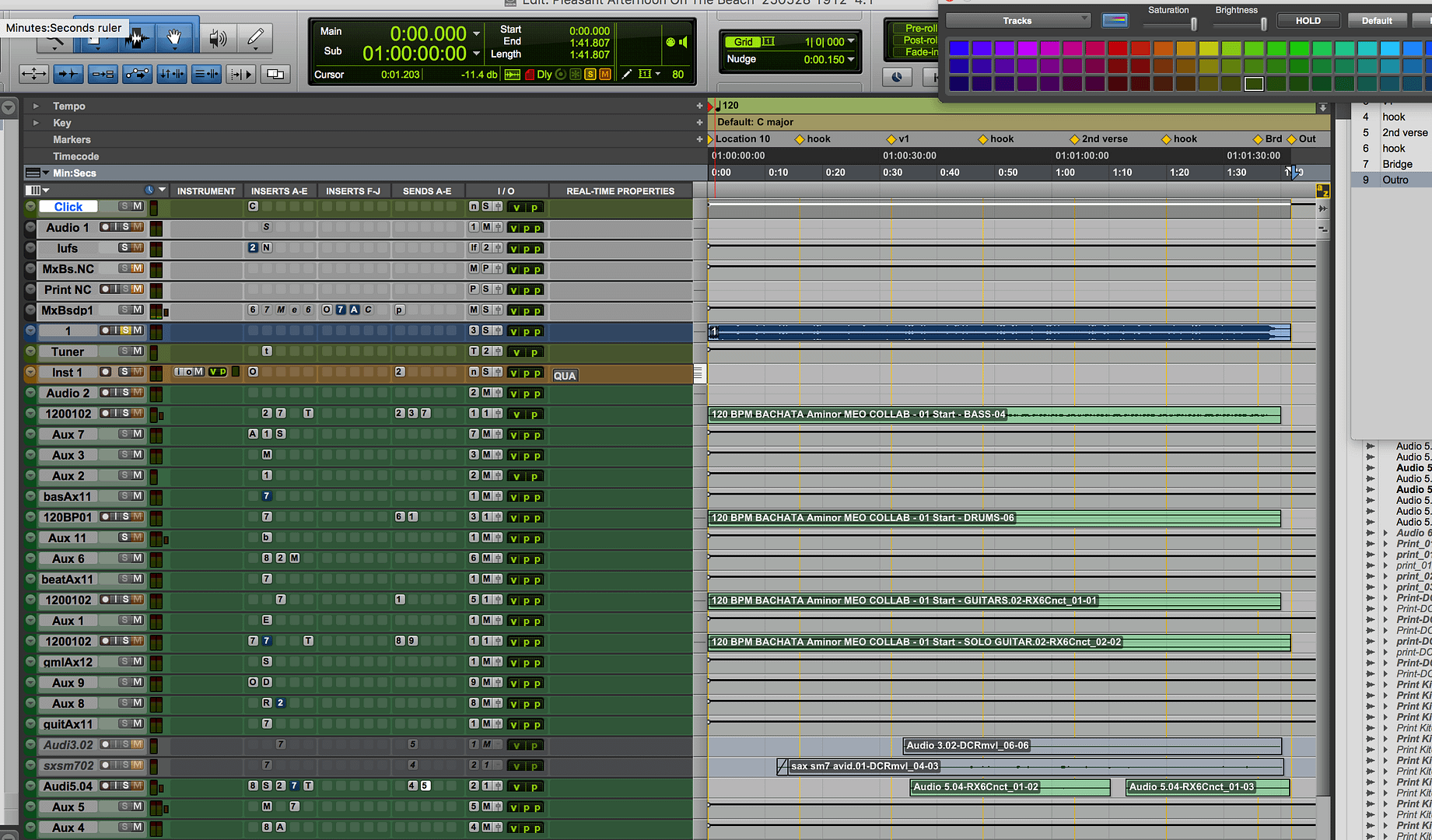
Before sending your tracks off to a mixing engineer, take the time to organize your session thoroughly. This means labeling each
track clearly and grouping similar instruments together. For
instance, keep all drum tracks in one folder and all vocal tracks in
another.
Remove any tracks that won’t be used and make sure everything
is in its proper place. A well organized session will make it easier for the mixing engineer to
understand your project and get straight to work.
Clean Up Your Audio
Cleaning up your audio is a critical step in preparing for mixing.
Go through each track and remove any unwanted noise, clicks,
or pops. This could involve using noise reduction tools or simply
cutting out silent parts. Additionally, ensure your recordings are
free from any unwanted background noise. The cleaner your
audio, the better the mix will sound.
Balance Your Levels
Before the mixing process begins, it’s important to have a rough
balance of your track levels. This doesn’t mean creating a final
mix but simply adjusting the levels so that nothing is too loud or
too soft. Having a balanced session gives the mixing engineer a
clear starting point, allowing them to focus on enhancing the
sound instead of correcting basic level issues.
Provide Reference Tracks
When prepping your tracks for mixing, consider providing
reference tracks. These are songs that have a similar sound or
style to what you’re aiming for in your final mix. Reference tracks
can guide the mixing engineer and help them understand your
sonic vision, ensuring the end result aligns with your
expectations.
Consolidate Your Files
Before sending your session off for mixing, consolidate your files. This means bouncing each track to start at the same point in
time, usually the beginning of the session. This eliminates any
confusion about where each track should start in the timeline.
Additionally, make sure all audio files are in a common format,
such as WAV, to avoid compatibility issues.
Following these five tips will help you prep your tracks for mixing
effectively, ensuring a smooth process and a polished final
product. Proper preparation is key to achieving the best possible sound, so take the time to get it right before moving on to the
mixing stage.
Are you ready to take your tracks to the next level? Share your
experiences or ask questions in the comments below.
Prep Your Tracks for Mixing: 5 Pro Tips


Leave a Reply